Mechanic Design Vector: Graphics for Crafts & Real Client Projects
As a graphic designer who’s built brand identities for auto shops, handmade tool kits, and seasonal workshop events, I recently evaluated Mechanic Design Vector for a live client project: a limited-run apparel and sticker line for a local “Women Who Wrench” community initiative. My goal wasn’t just to see if it looked cool—it was to determine whether it could hold up across t-shirts, enamel pins, Instagram carousels, and printable workshop handouts without compromising clarity, brand cohesion, or print fidelity.
A First Impression That Feels Authentic, Not Generic
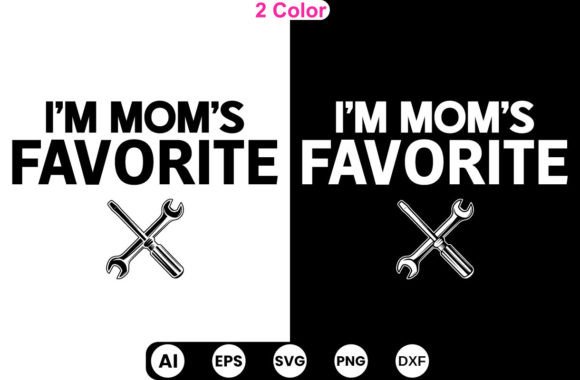
The moment I opened the file set, what stood out wasn’t flashy detail—but confident simplicity. These aren’t cartoonish caricatures or over-rendered 3D rigs. Instead, Mechanic Design Vector delivers bold, clean-line illustrations with intentional weight, balanced negative space, and subtle mechanical texture (think wrench silhouettes with engraved grooves, not flat outlines). It evokes grit, capability, and approachability—ideal for brands that want to signal skill without intimidation. For our “Women Who Wrench” client, this tone aligned perfectly: empowering but grounded, technical but inclusive.
Where It Shines Across Real Design Applications
Mechanic Design Vector performs exceptionally well in contexts where visual storytelling meets physical production:
- T-shirt design and merch: Optimized for screen printing and DTG, the vectors scale cleanly from toddler tees to oversized hoodies. I tested one gear-and-helmet motif on a black cotton blend mockup—no pixelation, no ink bleed risk.
- Packaging design and product labels: Used as a border element on kraft-paper tool kit boxes, it added craft-level warmth without competing with typography.
- Social media graphics and Canva templates: The SVG and high-res PNG files dropped seamlessly into branded Instagram posts and Pinterest-ready workshop promos—especially effective when paired with a strong sans serif like Montserrat or a warm display font like Bebas Neue.
- Cricut projects and printable design: Cut cleanly on vinyl and cardstock; the vector paths are smooth, with no stray anchor points or overlapping layers that cause cutting errors.
- Editorial design and blog visuals: As decorative accents in a DIY repair zine layout, the designs elevated content without distracting from step-by-step photography.
Natural Fit for Handmade Business & Print-on-Demand Sellers
If you’re curating an Etsy product line, launching a sublimation mug collection, or building a digital product bundle for crafters, Mechanic Design Vector fills a smart niche. It avoids the overly juvenile or hyper-masculine tropes common in mechanic-themed clipart. Instead, it supports inclusive branding—equally at home on a kids’ toolbox sticker sheet or a premium garage apparel brand. For print-on-demand sellers, the dual-format delivery (SVG + PNG) means flexibility across platforms: SVG for Cricut Design Space, PNG with transparency for Redbubble uploads, and layered EPS for professional packaging prep.
Use With Intention—Not Everywhere
This isn’t a universal drop-in asset. Its strength lies in its character—and that means knowing where to pause:
- Avoid small sizes under 1.5 inches wide—fine details like bolt textures or tiny tool silhouettes vanish. Reserve it for hero graphics, large-format posters, or product mockups—not tiny favicon-sized icons.
- Don’t layer it over busy photos or low-contrast backgrounds without testing contrast first. I ran quick luminosity checks: it holds up on mid-tone grays and kraft paper, but fades on washed-out concrete textures or light wood grain unless outlined or shadowed.
- It’s not ideal for minimalist corporate identity work—think law firms or SaaS dashboards. Its visual personality is too expressive for ultra-clean, typographic-first systems.
Designer Notes You Can’t Skip Before Client Use
Before embedding Mechanic Design Vector into any commercial design, run these practical checks:
- Test it in pure black and white—does the silhouette read instantly? (It did for me, even at 2x scaling.)
- Preview on both light and dark backgrounds using your brand’s exact color palette.
- Place it inside real product mockups—not just flat previews—to assess proportion and visual weight.
- Print a test swatch on your intended substrate (e.g., cotton jersey, matte sticker vinyl) to verify ink coverage and edge sharpness.
- Confirm all files open cleanly in Illustrator, Affinity Designer, and Inkscape—no missing fonts or embedded raster artifacts.
- Inspect PNG transparency: no fringing, no semi-opaque edges around tools or helmets.
- Compare how it pairs with your brand’s core type system—does it harmonize with your serif, sans serif, script, or display fonts? (It paired beautifully with our client’s custom handwritten header font—adding structure without stiffness.)
- Verify commercial license scope: this is a commercial design asset, yes—but double-check permitted uses (e.g., unlimited end products, no resale of the raw vector files).
Final Verdict: A Reliable, Mood-Driven Graphic Design Asset
Mechanic Design Vector isn’t just another clipart pack. It’s a considered, production-ready graphic design asset built for real-world constraints: screen printing tolerances, Cricut blade precision, social media compression, and audience emotional resonance. For designers supporting handmade businesses, local workshops, or creative marketplaces, it adds authenticity without sacrificing polish. When used intentionally—with attention to scale, contrast, and context—it strengthens visual hierarchy, deepens brand consistency, and quietly signals craftsmanship to your audience. That’s not just decoration. That’s strategic design.