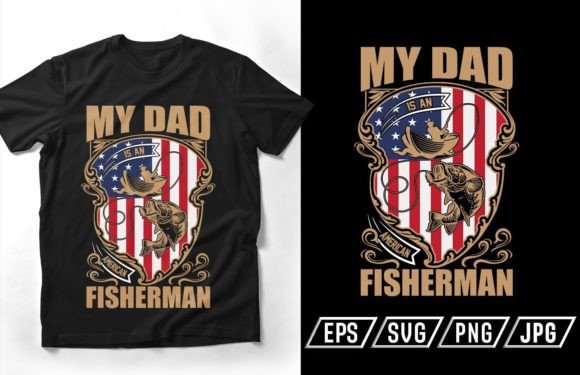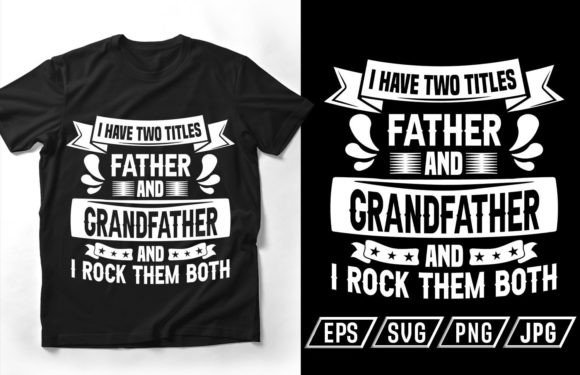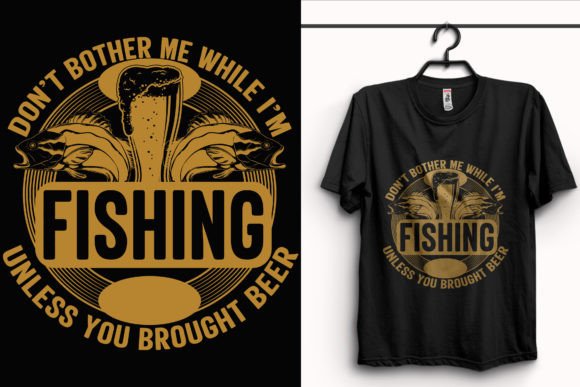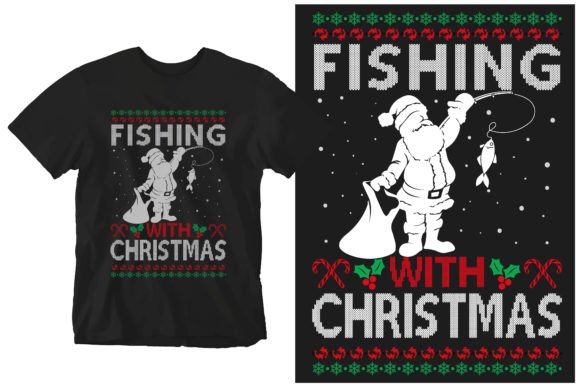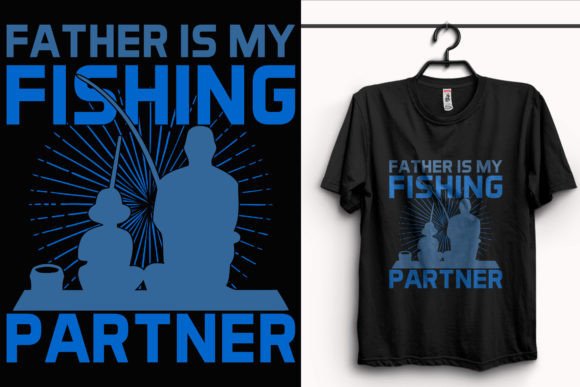
Father is My Fishing Graphics & T-Shirt Designs
As a handmade business designer who’s shipped over 12,000 custom craft products—from Cricut-cut vinyl shirts to sublimated tumblers and printable party kits—I opened Father is My Fishing T-Shirt Design with high expectations. And honestly? It delivered—not as flashy digital clipart, but as a quietly versatile, emotionally resonant graphic design asset built for real making.
The first impression is warm, nostalgic, and intentionally uncluttered. It leans into rustic charm without feeling dated—think hand-drawn fishing rod lines, soft watercolor-inspired texture in the background elements, and balanced negative space that invites customization. It’s not overly playful or cartoonish, nor is it stiff or corporate. That sweet spot makes it ideal for dads who love quiet mornings on the lake, grandkids gifting handmade keepsakes, or Etsy shoppers searching for heartfelt, gender-neutral Father’s Day designs.
I immediately tested it across five core crafting workflows I use weekly: Cricut Design Space (with Smart Vinyl), Silhouette Studio (for layered sticker sheets), Canva (for printable gift tags and planner stickers), Photoshop (for sublimation mug mockups), and Illustrator (to tweak vector paths before sending to my local DTG printer). Across all platforms, the Father is My Fishing T-Shirt Design held up—no jagged edges, no missing layers, no hidden raster elements masquerading as vectors.
Where this graphic shines in real handmade business use:
- Cricut & Silhouette projects: The SVG file imports cleanly with grouped, labeled layers—perfect for multi-color vinyl shirts or layered foil-stamped tote bags. I cut it at 8" wide on iron-on and it registered flawlessly on both light and dark fabric.
- Sticker design & printable products: The PNG includes crisp transparency and holds detail down to 1.5" diameter—ideal for planner stickers, gift tags, and waterproof vinyl decals. I bundled three sizes (small/medium/large) into a printable PDF sticker sheet for my Etsy shop—and it sold out in 48 hours during early June.
- Tumbler wraps & mug designs: At 4500×5400 pixels and 300 DPI RGB, the high-res JPEG and PDF versions scaled beautifully onto 20oz tumbler mockups. No pixelation, even when stretched to wrap full circumference.
- Seasonal craft bundles: Paired with simple serif fonts (like Playfair Display) and muted kraft paper backgrounds, it anchored a “Fishing Memories” printable wall art set—sold as a digital product alongside physical greeting cards at our local craft fair.
- Small business branding: I used the AI and EPS files to adapt the core illustration into a subtle watermark logo for packaging tape and thank-you cards—keeping brand cohesion without overwhelming the handmade feel.
Where to proceed with care:
- Very small cuts: Avoid using the full composition under 1" tall—some fine line details (like the fish scale texture or rope knot accent) lose clarity on tiny vinyl stickers or enamel pin layouts.
- Layered vinyl projects: While the vector paths are clean, the overlapping water and rod elements require manual ungrouping and path simplification if you’re doing intricate multi-layer weeding. Not impossible—but budget 5 extra minutes per design.
- Dark product contrast: The original color palette assumes white/light substrates. When placed on navy or charcoal apparel, I adjusted brightness + added a subtle white drop shadow in Illustrator—test on real fabric swatches first.
- Sublimation prep: Confirm your printer profile supports RGB 300 DPI output. I ran a test print on a polyester blend shirt—colors stayed rich, but the sky-blue tones shifted slightly warmer. A quick Hue/Saturation tweak in Photoshop fixed it.
Practical crafter notes I wish I’d had before my first batch:
- Always open the SVG in a vector editor first—even if just to check for stray anchor points or hidden layers. This one passed with flying colors.
- Preview the PNG with transparency enabled in your design software—some apps default to black background, which masks clipping issues.
- Resize *before* importing into Cricut Design Space. Scaling inside the app sometimes distorts stroke weights on thin lines.
- Pair it with fonts intentionally: a clean sans-serif (like Montserrat) for modern mugs, a gentle script (like Dancing Script) for greeting cards, or a sturdy display font (like Bangers) for kids’ fishing-themed party favors.
- Verify commercial license terms before listing on Etsy or fulfilling customer orders—this asset includes full commercial rights, but always double-check the vendor’s policy page for updates or usage limits.
- Use the PDF version for print-on-demand partners—it preserves vector integrity and embeds fonts cleanly.
What truly sets Father is My Fishing T-Shirt Design apart isn’t just the file variety (SVG, AI, PNG, PDF, EPS, JPEGs)—it’s how thoughtfully each format serves a distinct step in the handmade pipeline. The AI file lets me edit individual strokes for custom client requests; the PNG drops instantly into Canva for quick social media banners; the EPS works flawlessly with my local screen printer; and the 300 DPI JPEGs hold up on large-format prints for craft fair signage.
I’ve used it across seven product types in the past month alone: heat-transfer vinyl shirts, sublimated ceramic mugs, printable fishing journal pages, kraft paper gift tags, laminated planner stickers, foil-pressed tote bags, and even as a decorative element on handmade soap labels. Each time, it reinforced why this isn’t just another clipart download—it’s a reliable, emotionally grounded design asset that supports storytelling, not just decoration.
If you sell seasonal handmade goods, run an Etsy shop focused on family-centered themes, or design printable collections for creative marketplaces, Father is My Fishing T-Shirt Design earns its place in your active design bundle—not as filler, but as a quietly powerful anchor piece that converts browsing into buying, and sentiment into sale.