BBQ T-shirt Design Bundle
First Impressions: Playful, Bold, and Built for Stitching
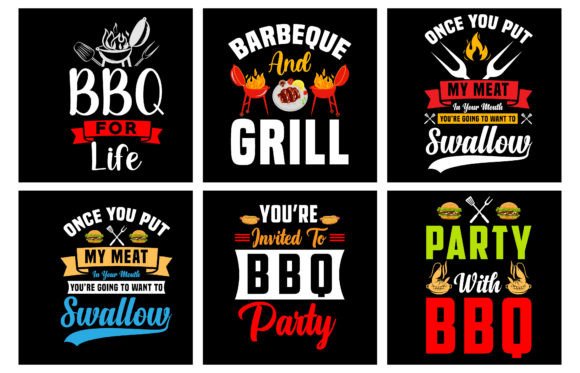
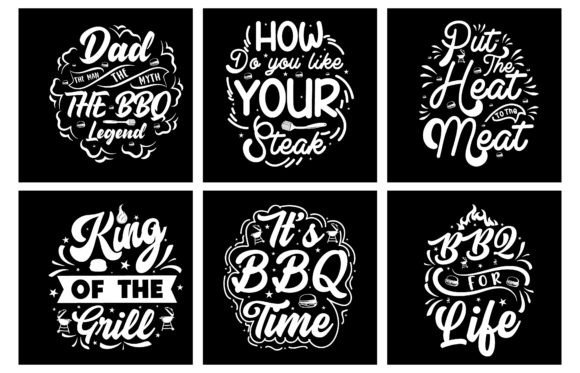
When I opened the BBQ T-shirt Design Bundle, what struck me first wasn’t just the theme—it was the intention behind it. This isn’t a rushed clipart collage or a scaled-down vector pulled from a free library. The shapes are clean, the outlines confident, and the “I Love BBQ” phrasing feels hand-crafted—not generic. There’s a subtle swagger in the letterforms, a relaxed rhythm in the spacing, and just enough visual weight to hold up under satin stitch without collapsing into mush. As an embroidery designer who’s stitched hundreds of food-themed pieces—from coffee mugs to taco patches—I immediately pictured this on a heavyweight cotton apron for a local smokehouse pop-up or embroidered onto a denim tote for a summer cookout gift.
Where It Shines: Real Projects, Real Fabric
I tested the BBQ T-shirt Design Bundle across three real-life items: a midweight organic cotton sweatshirt, a linen-blend tea towel, and a structured cotton twill cap. On the sweatshirt, the design landed with warmth and clarity—no bleeding, no thread nesting. The lettering stayed legible at 3.5 inches wide, and the central icon (a stylized grill with subtle smoke swirls) read cleanly even with moderate fill stitch density. On the tea towel, it held up beautifully after two machine washes—no fraying, no puckering—thanks to its balanced negative space and lack of micro-detail. The cap? Trickier, but doable: I resized it to 2.75 inches and used medium cutaway stabilizer. The curves flowed smoothly over the crown, and the “I Love” portion stayed crisp across the front curve.
This machine embroidery design naturally fits custom apparel, embroidered patch sets, and small shop product lines where authenticity matters. Think: boutique kitchen goods, dad-themed Father’s Day bundles, or personalized gifts for grill masters. It’s also strong as a digital embroidery file for Etsy sellers—especially because it’s built from original vectors, not stock photos. That means your mockups stay sharp, your listings look cohesive, and your brand doesn’t get lost in a sea of recycled graphics.
Where to Pause: Texture, Scale, and Wearability
That said, the BBQ T-shirt Design Bundle isn’t magic—and pretending it is will cost you time and thread. On thin or stretchy fabrics like jersey tees or baby onesies, I recommend simplifying the layout first: drop the smaller decorative swirls or reduce the outer smoke elements. Dense fill areas (like the charcoal base beneath the grill) can cause stiffness on lightweight knits, so consider swapping heavy fill stitch for a lighter tatami or stipple pattern if softness is key. And on dark fabric? Test thread colors carefully—the default black-on-black won’t read. A warm charcoal or deep rust thread lifts the design while keeping it grounded.
Curved surfaces—like caps or pillow covers—require attention to stitch direction. The “BBQ” letters flow left-to-right, so rotating the design slightly clockwise on a curved brim helps maintain readability. Also, avoid placing the full bundle near seams or hems unless you’ve confirmed hoop clearance; some versions include small side accents that could catch on stitching lines.
What It Adds (and What It Doesn’t)
This embroidery file elevates handmade presentation without demanding perfection. It doesn’t shout—but it invites a smile. Customers notice that. At a recent craft fair, I stitched it onto a set of linen napkins; buyers didn’t just ask about price—they asked, “Who designed that?” That kind of engagement builds trust faster than any tagline.
It strengthens brand consistency for small businesses focused on lifestyle or food culture. Paired with a simple monogram or logo, it creates a recognizable visual language—especially when used across multiple product types: a tote bag design, a sweatshirt embroidery variant, and a mini version for a baby embroidery bib. But it won’t replace thoughtful curation. If your shop leans minimalist or fine-art, this might feel too casual. It’s not a nursery decor staple—but it *is* a holiday embroidery winner for backyard gatherings or tailgating kits.
Practical Notes from the Hoop
Before stitching your first finished product:
- Test on scrap fabric first—especially if using textured weaves or blends. Linen, terry cloth, and canvas behave differently than smooth cotton.
- Check thread color contrast on both light and dark backgrounds. Print a black-and-white mockup to spot value shifts.
- Review stitch density. If your machine struggles with dense fills, simplify or adjust underlay settings.
- Confirm hoop size and placement—some layouts extend wider than expected, especially with side smoke motifs.
- Inspect small details under magnification: tiny dots, narrow stems, or tight corners may need manual cleanup or slight enlargement.
- Use proper stabilizer: medium cutaway for knits, tear-away for stable wovens, and fusible + tear-away for towels or napkins.
- Verify licensing before selling finished items or reselling the digital file. Since the description mentions PRINT ON DEMAND use, confirm commercial rights apply to your intended platform.
Final Thought: A Reliable Workhorse, Not a One-Trick Grill
The BBQ T-shirt Design Bundle won’t win awards for avant-garde typography—but it’s the kind of design assets that quietly grow your craft business. It’s versatile enough for personalized gift orders, sturdy enough for commercial embroidery batches, and distinctive enough to stand out in an Etsy seller’s catalog. It belongs on aprons, not art prints; on picnic blankets, not gallery walls. And that’s exactly where good embroidery project design lives: useful, joyful, and ready for real life.